Posts

Unraveling the Grandfather Paradox: The Intricacies of Time Travel and Its Implications

Image
Time travel has captivated our imaginations for centuries, but it also brings forth complex dilemmas, notably the Grandfather Paradox. This paradox illustrates a scenario where a time traveler could potentially prevent their own existence by altering past events. In this blog post, we explore the nuances of the Grandfather Paradox, including: Understanding the Paradox The Grandfather Paradox is a hypothetical situation that arises when a person travels back in time and alters an event that ultimately prevents their own birth or existence. Imagine you hop into a time machine and go back to kill your grandfather before he meets your grandmother. If successful, you would have prevented your own birth, creating a logical contradiction. This paradox challenges our understanding of causality and the flow of time. The Butterfly Effect To better comprehend the complexities of the Grandfather Paradox, we must consider the butterfly effect. This concept stems from chaos theory and sugges...

Exploring Time: The Enduring Legacy of H.G. Wells' 'The Time Machine'

Image
Introduction: Dive into the world of H.G. Wells' "The Time Machine," a groundbreaking science fiction novel that introduced the concept of time travel and its societal implications. Since its publication in 1895, this classic has captivated readers and inspired countless adaptations.   Plot Overview: Set in Victorian England, the story follows the Time Traveller, an ambitious inventor who constructs a device to journey through time. His adventures reveal a future where humanity has split into two distinct species: the Eloi, a peaceful upper class, and the Morlocks, a menacing working class. Key Themes: Social Class Division : Wells critiques the class disparities of his time through the stark contrast between the Eloi and Morlocks. Evolution and Degeneration : The novel explores the consequences of environmental changes on humanity's evolution. Time as a Fourth Dimension : Wells challenges traditional views of time, influencing future science fiction n...

Living Concrete: The Future of Sustainable Construction

Image
Introduction:   In an era where sustainability is paramount, the construction industry is evolving. One of the most exciting innovations is "living concrete," a material that not only serves structural purposes but also contributes to environmental health. What is Living Concrete?   Living concrete is a bio-based material that incorporates living organisms, such as bacteria, into its structure. These microorganisms can perform various functions, including carbon capture, self-healing, and even air purification. This revolutionary material is designed to enhance the longevity of structures while reducing their carbon footprint. Benefits of Living Concrete Self-Healing Properties : When cracks form, the bacteria within the concrete can activate and produce calcium carbonate, effectively sealing the cracks and extending the lifespan of the structure. Carbon Sequestration : Living concrete can absorb CO2 from the atmosphere, helping to mitigate ...

Direct Air Capture: The Future of Carbon Removal Technology

Image
Introduction:   As the world grapples with the escalating impacts of climate change, innovative solutions are emerging to combat greenhouse gas emissions. One such solution is Direct Air Capture (DAC), a technology designed to remove carbon dioxide (CO₂) directly from the atmosphere. This blog post explores how DAC works, its potential benefits, challenges, and its role in achieving a sustainable future. What is Direct Air Capture?   Direct Air Capture refers to a set of technologies that extract CO₂ from the ambient air. Unlike traditional carbon capture methods that focus on emissions from specific sources, DAC targets the CO₂ already present in the atmosphere. This process typically involves chemical reactions that bind CO₂, allowing it to be collected and stored or utilized. How Does DAC Work?   DAC systems generally operate in two main steps: Air Capture : Large fans draw in ambient air, which passes through a chemical solution or solid sorbent that...

Brain-Computer Interfaces: Revolutionizing Human-Machine Interaction in 2025

Image
Introduction Brain-Computer Interfaces (BCIs) are transforming how humans interact with technology. By directly connecting the brain’s electrical activity with external devices, BCIs bypass traditional input methods like keyboards or voice commands. From medical breakthroughs to futuristic augmented reality experiences, this technology promises a world where thought controls action. What Are Brain-Computer Interfaces? A Brain-Computer Interface (BCI), also known as a Brain-Machine Interface, is a system that reads neural signals and converts them into commands for computers or machines. The concept dates back to the 1920s when EEG first recorded brainwaves, but today’s advances have made BCIs a viable tool in healthcare, gaming, and communication. Types of BCIs Invasive BCIs:  Implanted electrodes in the brain provide high-resolution signals with surgical risks. Non-invasive BCIs:  Devices like EEG caps detect brain activity externally offering s...

Unlocking the Future: The Transformative Power of 3D Printing

Image
Introduction   3D printing, also known as additive manufacturing, is revolutionizing industries by enabling the creation of complex structures with unprecedented precision. From healthcare to aerospace, this technology is reshaping how we design and produce goods. What is 3D Printing?   3D printing involves creating three-dimensional objects from a digital file. The process typically starts with a 3D model, which is sliced into layers by specialized software. The printer then deposits material layer by layer until the object is complete. Applications of 3D Printing Healthcare : Custom prosthetics and implants are now more accessible, allowing for personalized patient care. Aerospace : Lightweight components can be produced, enhancing fuel efficiency and performance. Automotive : Rapid prototyping accelerates the design process, reducing time to market. Education : Students can bring their ideas to life, fostering creativity and ...

Zero Latency Connectivity: The Future of Real-Time Communication

Image
In today's fast-paced digital world, the demand for instantaneous communication is at an all-time high. Zero latency connectivity is emerging as a game-changer, enabling seamless interactions across various platforms. This technology minimizes delays, ensuring that data is transmitted in real-time, which is crucial for applications like online gaming, video conferencing, and IoT devices. What is Zero Latency Connectivity?  Zero latency connectivity refers to the ability to transmit data without any noticeable delay. This is achieved through advanced networking technologies, such as 5G, edge computing, and optimized routing protocols. By reducing latency to near-zero levels, users can experience smoother interactions and improved performance in their applications. Benefits of Zero Latency Connectivity: Enhanced User Experience:  Real-time communication leads to more engaging and interactive experiences. Improved Performance:  Applications that requ...

Biotechnology Boom: Transforming the Future of Health and Agriculture

Image
The biotechnology sector is experiencing unprecedented growth, revolutionizing industries such as healthcare, agriculture, and environmental management. This blog explores the key advancements driving the biotechnology boom, including CRISPR gene editing, personalized medicine, and sustainable agricultural practices. Introduction:  Biotechnology is at the forefront of innovation, offering solutions to some of the world's most pressing challenges. From developing life-saving drugs to creating genetically modified crops that withstand climate change, the impact of biotechnology is profound. Key Advancements: CRISPR Technology:  This gene-editing tool allows scientists to modify DNA with precision, leading to breakthroughs in treating genetic disorders and enhancing crop resilience. Personalized Medicine:  Tailoring medical treatments to individual genetic profiles is becoming a reality, improving patient outcomes and reducing side eff...

Unlocking the Power of Applied AI: Transforming Industries and Everyday Life

Image
Introduction  Artificial Intelligence (AI) is no longer a futuristic concept; it is a transformative force reshaping industries and enhancing our daily lives. From healthcare to finance, AI applications are revolutionizing how we operate, make decisions, and interact with technology. What is Applied AI?  Applied AI refers to the practical implementation of AI technologies to solve real-world problems. Unlike theoretical AI, which focuses on developing algorithms and models, applied AI emphasizes the deployment of these technologies in various sectors. Key Areas of Applied AI Healthcare : AI is improving diagnostics, personalizing treatment plans, and streamlining administrative tasks. For instance, machine learning algorithms can analyze medical images to detect diseases earlier than traditional methods. Finance : In the financial sector, AI is used for fraud detection, risk assessment, and algorithmic trading. By analyzing vast amounts ...

Revolutionizing Energy Storage: The Rise of Sand Batteries

Image
Introduction  In the quest for sustainable energy solutions, sand batteries have emerged as a groundbreaking technology. Unlike traditional batteries that rely on rare materials, sand batteries utilize abundant and eco-friendly resources, making them a promising alternative for energy storage. What are Sand Batteries?  Sand batteries are a type of thermal energy storage system that uses sand as a medium to store heat. The process involves heating sand to high temperatures and then using that stored heat to generate electricity when needed. This method is not only cost-effective but also environmentally friendly. Advantages of Sand Batteries Sustainability : Sand is an abundant resource, making it a sustainable option for energy storage. Cost-Effectiveness : The materials used in sand batteries are significantly cheaper than those in conventional batteries. Long Lifespan : Sand batteries can last for decades with minimal degradation, pr...

Revolutionizing Touch: The Future of E-skin Technology

Image
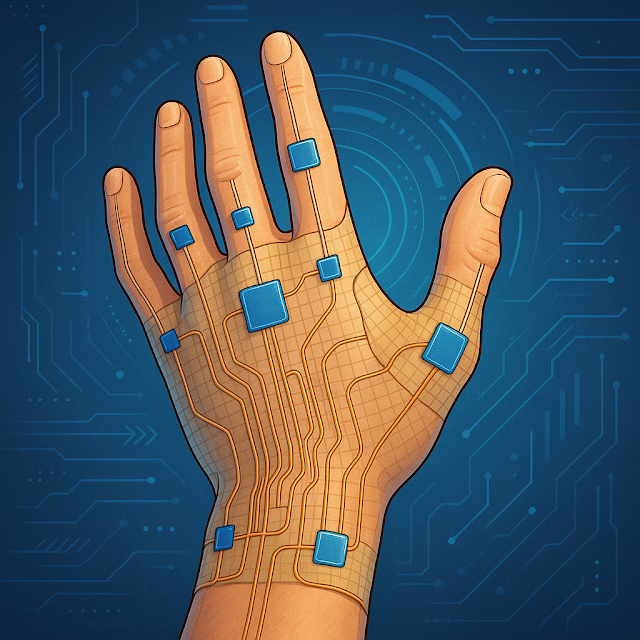
E-skin technology, or electronic skin, is an innovative advancement that mimics the properties of human skin, enabling a wide range of applications from healthcare to robotics. This flexible, stretchable material is embedded with sensors that can detect pressure, temperature, and even chemical changes, making it a game-changer in various fields. Introduction As technology continues to evolve, the quest for more human-like interfaces has led to the development of e-skin technology. This remarkable innovation not only enhances the interaction between humans and machines but also opens new avenues in medical diagnostics and wearable devices. What is E-skin Technology? E-skin is a synthetic material that can be applied to surfaces to provide sensory feedback similar to human skin. It consists of a flexible substrate embedded with sensors that can detect various stimuli, including touch, temperature, and humidity. Applications of E-skin Technology Healthcare : E-skin can ...

Exploring Necrobotics: The Future of Robotics and Biological Integration

Image
Introduction  Necrobotics is an emerging field that combines robotics with biological systems, creating innovative solutions that can revolutionize various industries. This blog post delves into the principles of necrobotics, its applications, and the ethical considerations surrounding this fascinating technology. What is Necrobotics?  Necrobotics refers to the integration of robotic systems with biological entities, often utilizing the natural mechanisms of organisms to enhance robotic functionality. This interdisciplinary approach leverages advancements in robotics, biology, and artificial intelligence. Applications of Necrobotics Medical Innovations : Necrobotics can lead to breakthroughs in medical devices, such as biohybrid prosthetics that mimic natural limb movement. Environmental Solutions : Robots that utilize biological processes can help in waste management and environmental restoration. Agricultural Advancements : Integrating ro...

Unlocking the Future: A Comprehensive Guide to Quantum Computing

Image
Introduction  Quantum computing is revolutionizing the way we process information. Unlike classical computers that use bits as the smallest unit of data, quantum computers utilize qubits, which can exist in multiple states simultaneously. This unique property allows quantum computers to solve complex problems at unprecedented speeds. What is Quantum Computing?  At its core, quantum computing leverages the principles of quantum mechanics. Qubits can represent both 0 and 1 at the same time, thanks to superposition. Additionally, entanglement allows qubits that are entangled to be correlated with each other, no matter the distance apart. This means that the state of one qubit can depend on the state of another, enabling powerful computational capabilities. Applications of Quantum Computing Cryptography : Quantum computers can break traditional encryption methods, leading to the development of quantum-resistant algorithms. Drug Discovery : They can simulat...

The Rise of Neurotechnology: Where AI Meets the Human Brain

Image
In the not-so-distant past, the idea of machines understanding or enhancing our brains sounded like science fiction. Today, it’s becoming science fact. Neurotechnology is rapidly evolving, merging the power of artificial intelligence with neuroscience to decode, interpret, and even influence brain activity. From brain-computer interfaces (BCIs) that help paralyzed individuals control prosthetic limbs to mood-altering headsets and memory-enhancing implants, we are entering a world where tech is not just in our hands—but in our heads. Why Now? Advancements in machine learning, sensor technology, and neuroimaging have unlocked new possibilities. Startups like Neuralink and Synchron are pioneering devices that can “read” brain signals with increasing accuracy. Meanwhile, AI algorithms are learning to map and predict neural patterns that once seemed like inscrutable chaos. Applications That Are Already Here Medical : Treating epilepsy, depression, and Parkinson’s through deep brain s...

Understanding Deepfakes: How They Work, Their Impact, and How to Protect Yourself

Image
In today's digital age, deepfakes have emerged as a fascinating yet concerning technology. But what exactly are deepfakes? Simply put, they are realistic-looking fake videos or audio recordings created using artificial intelligence. By leveraging deep learning algorithms, these tools can manipulate images and sounds to make it appear as though someone is saying or doing something they never actually did. How Do Deepfakes Work? Deepfakes rely on a type of AI called neural networks, which are designed to learn from vast amounts of data. The process typically involves two main components: a generator and a discriminator. The generator creates fake content, while the discriminator evaluates its authenticity. Through countless iterations, the generator improves its ability to produce convincing fakes, making it increasingly difficult to distinguish between real and altered media. The Risks of Deepfakes While deepfakes can be used for harmless entertainment, they also pose significant ri...